Four Frames for a Quarter
Analogue photo booths are back in bars and on the street, and the queues are as long as they were a hundred years ago. The story of the machine that invented the selfie long before the front-facing camera.
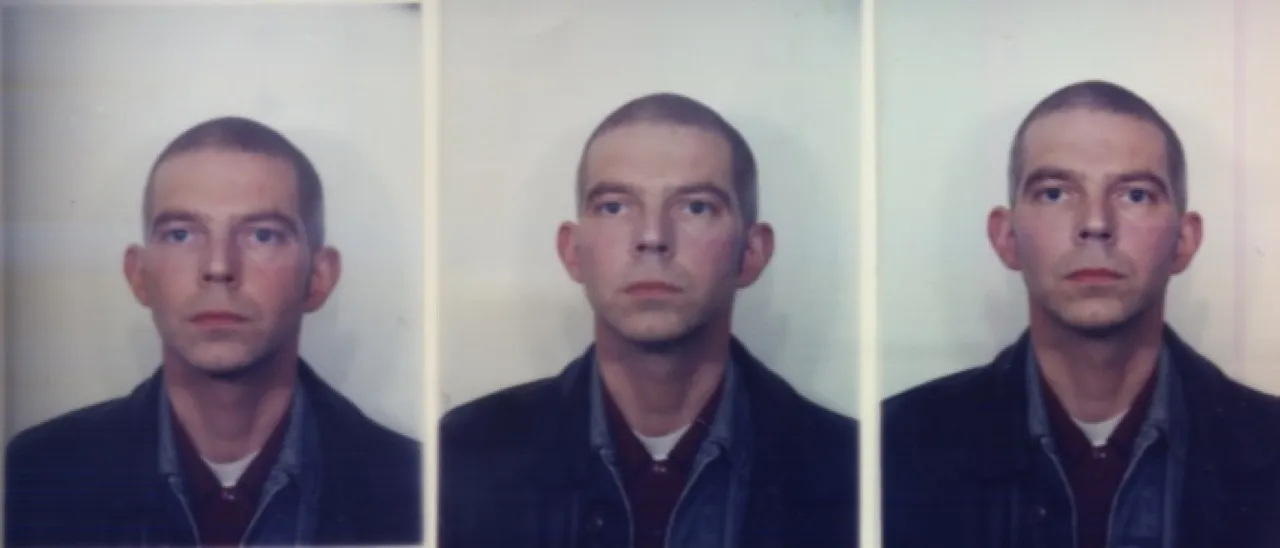
A narrow strip of four frames in which you and your friends manage to pull a serious face, burst out laughing and turn away is one of the most recognisable formats in photography. In recent years analogue photo booths have been coming back: they are installed in bars, bookshops and at festivals, and people queue for them. People are ready to wait several minutes for a picture to develop in a world where the camera in a phone fires instantly. It may seem like mere nostalgia, but the history of the photo booth is far more interesting. This machine gave an ordinary person, for the first time, the chance to photograph themselves, with no photographer, and it changed the idea of what a portrait could be.
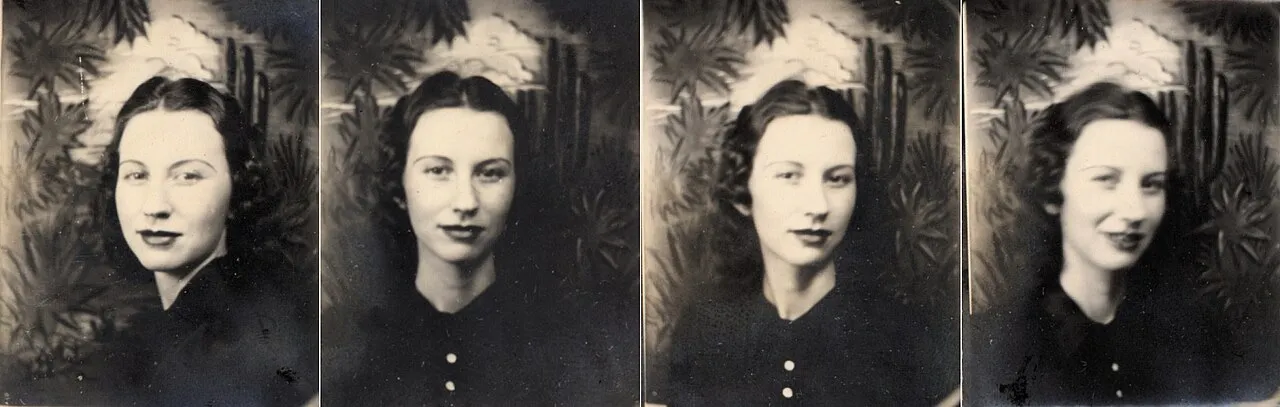
A Portrait for Everyone
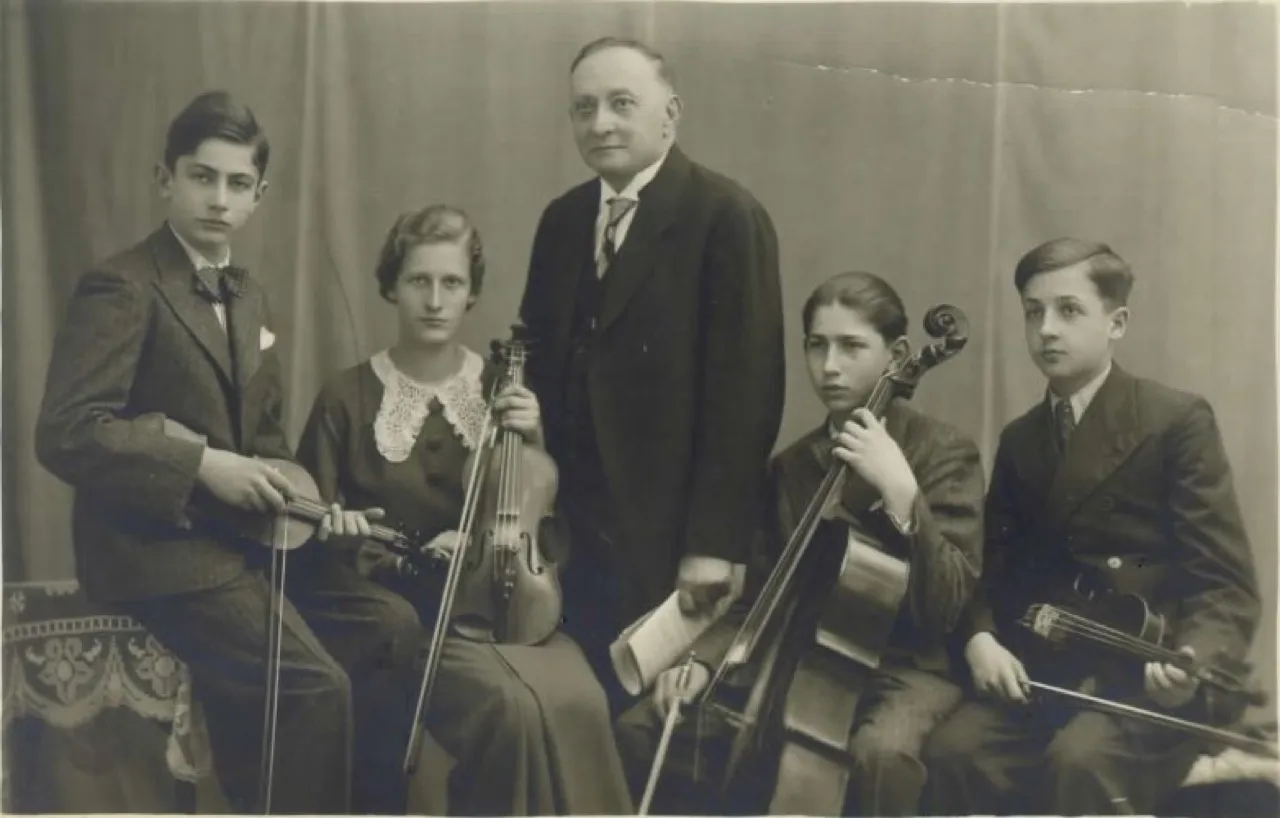
Before photo booths a portrait was an event. You had to go to a studio, make an appointment with the photographer, dress up and freeze in front of the camera. In the mid-nineteenth century photography was made more accessible by the carte de visite, a small portrait on card that the Frenchman André Adolphe Eugène Disdéri patented in 1854. His camera took several exposures on a single plate, and the price of a portrait fell sharply. People swapped the cards, collected them in albums, collected pictures of celebrities. It was the first “portrait mania,” a forerunner of what would later happen with photo booths and, later still, with selfies.
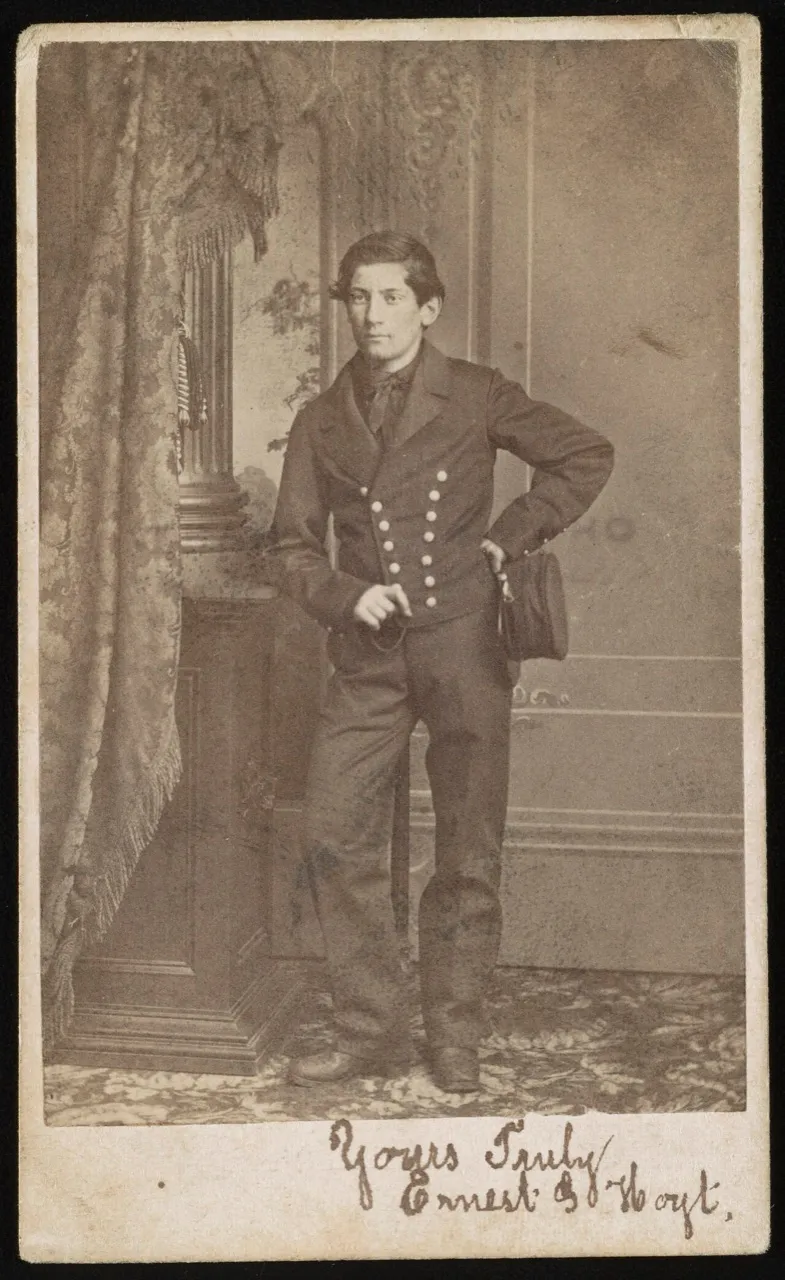
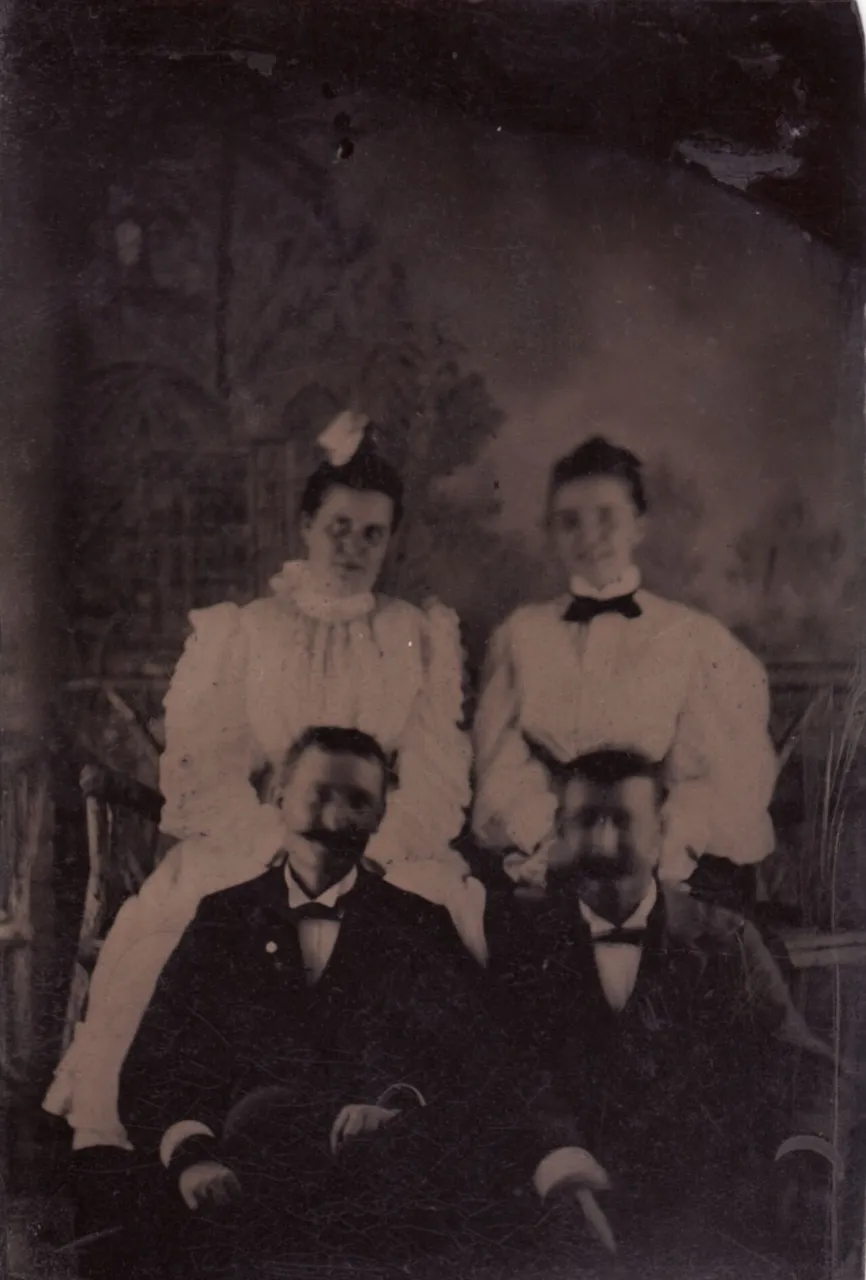
Before the photo booth
The automatic photo booth, which took, developed and delivered pictures by itself, was created by Anatol Josepho, an emigrant from the Russian Empire who came to the United States. In 1925 his “Photomaton” opened on Broadway in New York. For 25 cents the machine took a series of eight pictures, developed them and delivered them in about eight minutes. Queues stretched for a block: in the first months thousands of people a day went through the booth. A couple of years later Josepho sold the rights to the invention, by the widely told version for a million dollars, an enormous sum at the time. Photo booths spread quickly across America and Europe.
The Photomaton
Inventor: Anatol Josepho
The first booth: 1925, Broadway, New York
Price: 25 cents for a series of pictures
Key feature: no photographer, so the person decides how to come out
Surrealists in the Booth
Artists loved the photo booth at once. In the late 1920s the Surrealists in Paris had themselves photographed in “photomatons” and made collages from the frames, for example the famous composition of portraits of the group’s members around a painting by René Magritte, published in La Révolution surréaliste in 1929. They were drawn to its automatism: the machine shoots without taste or calculation, and the result is unexpected, honest, sometimes strange faces. Later, in the 1960s, Andy Warhol used strips from photo booths for his portraits. A machine devised for ID pictures and souvenirs became an instrument of art.
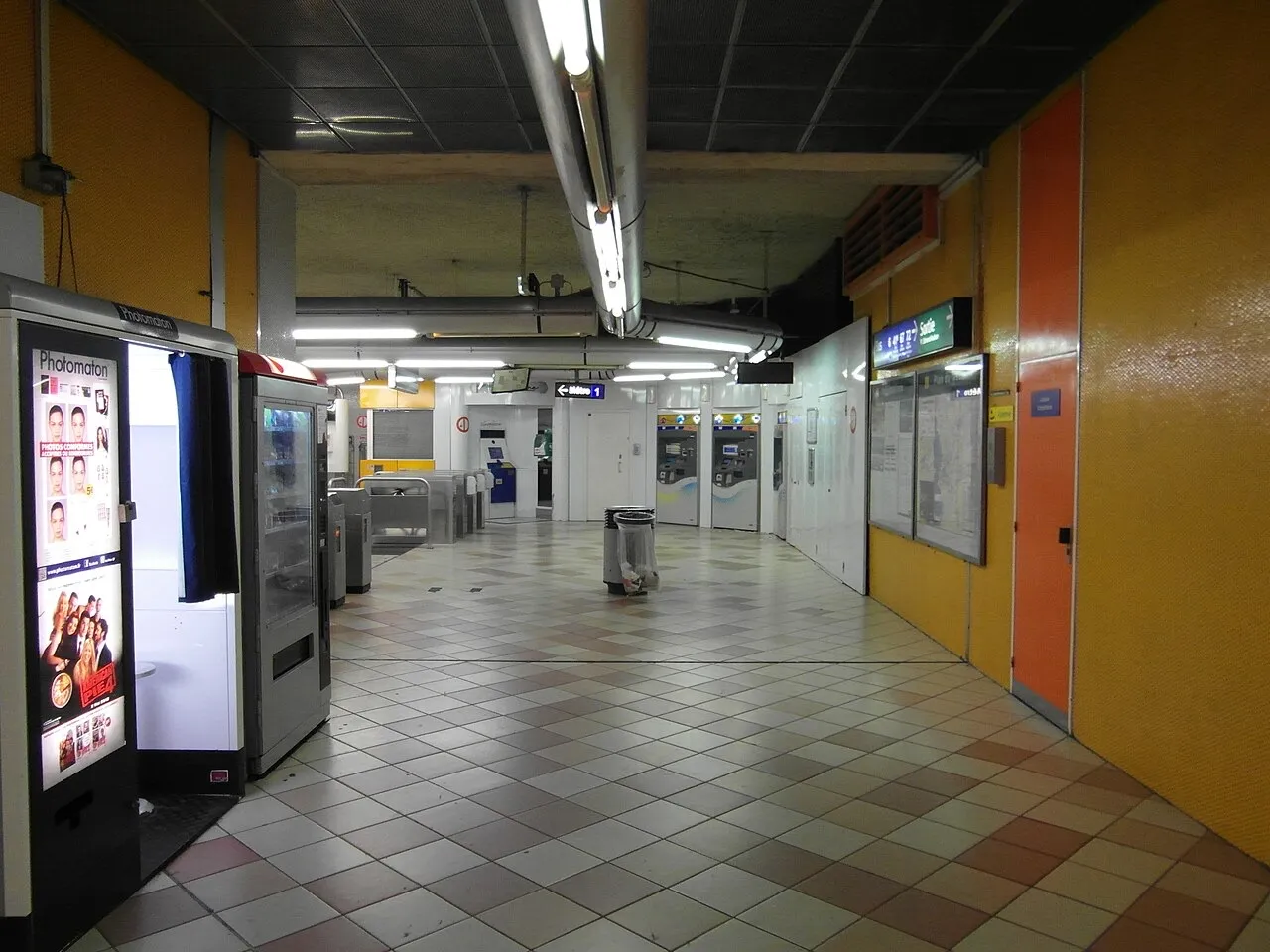
The main thing the photo booth changed was a person’s relationship with the camera. In the studio the photographer told you how to sit and where to look. In the booth there is no one: just you, a curtain and a flashing lamp. You can pull faces, kiss, fool around, try out different faces. Historians of photography call the photo booth the ancestor of the selfie: it was here that people first learned en masse to direct their own image. The strip format, several frames in a row, also proved prophetic: it shows not a single “correct” moment but movement, emotion, a story. Today’s stories and carousels on social networks do almost the same thing.
The photo booth was the first to tell a person: now you decide how you will be remembered.
Why We Are Queuing Again
Digital booths for ID photographs displaced analogue ones almost everywhere, and by the start of the twenty-first century very few real chemical photo booths were left. But their very rarity made them desirable. Enthusiasts restore old machines, hunt for chemicals and parts, and bars and shops install booths as an attraction. A frame from an analogue booth cannot be retaken or filtered; it exists in a single copy and can be put in a wallet. In an age of endless digital pictures, a physical strip of four frames has become a small relic, proof that the moment really happened.
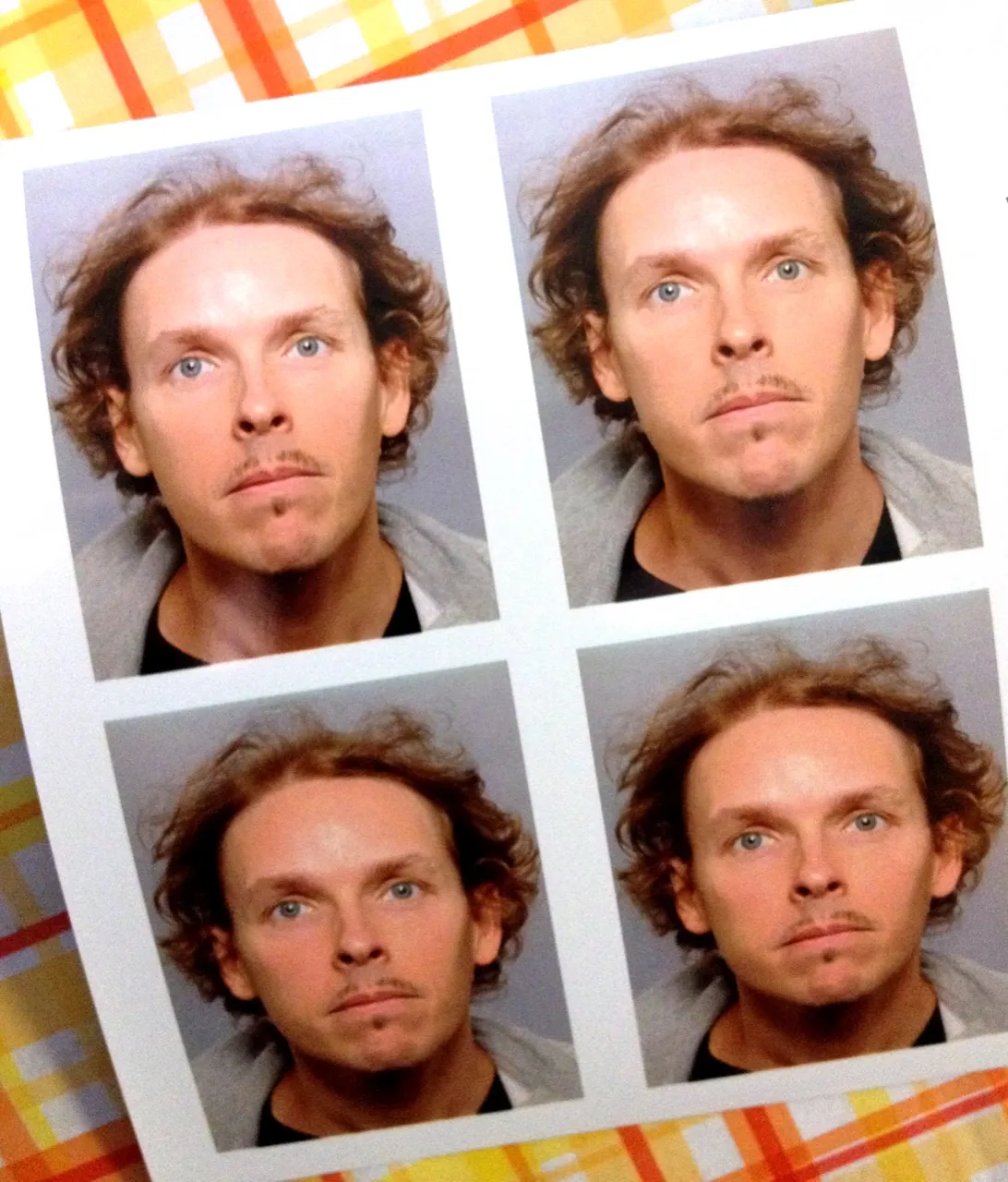
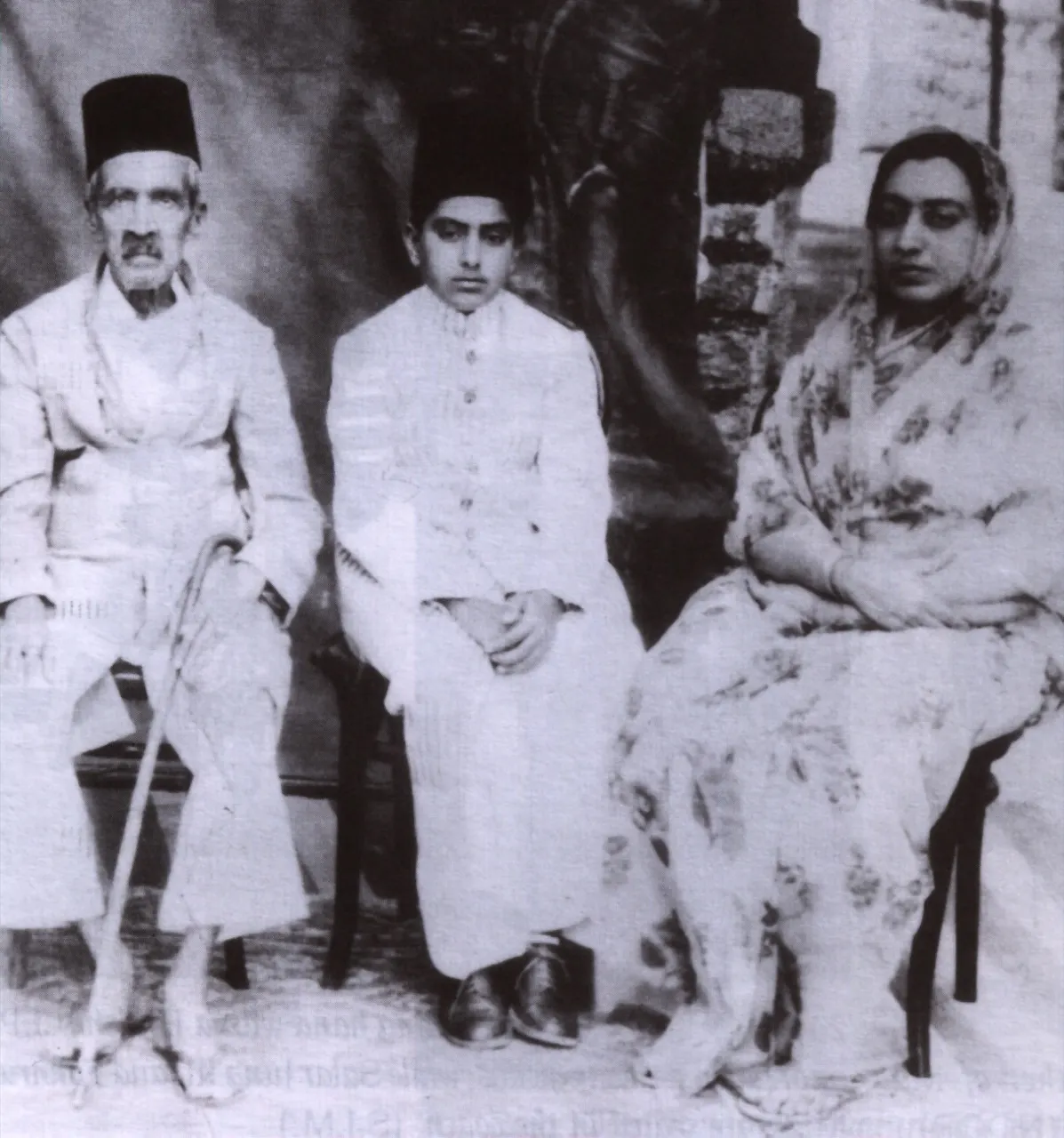
Faces from the booth
The history of the photo booth shows that technology often comes back not as a function but as an experience. We do not need a booth to take a picture, as everyone has a better camera in their pocket. But we need ritual, anticipation and the feeling that a picture is an event. Anatol Josepho was selling not photographs but a small adventure for a quarter. A hundred years later we are ready to pay for it again. If you come across a real analogue photo booth, step into it with someone close: in a few years that strip will be worth more than any file.